






A journal can be a record of events, a place to think through a problem, or a tool for planning. Those are different jobs. Decide which one you want it to do this week, then use a format that makes the next entry easy.
Write your first entry
Open a page and use this three-line start:
- Today: name one event or task that occupied your attention.
- What I noticed: record a thought, feeling, question, or detail without trying to explain it perfectly.
- Next: write one action, question to revisit, or “nothing to do.”
For example: “Today: I postponed the project brief. What I noticed: I do not know which figures the client needs. Next: ask for the reporting period.” A useful entry can be that short. If you prefer a longer account, keep writing.
Choose a format that fits the job
| Format | How to start | Best use |
|---|---|---|
| Daily record | Date plus a few lines about what happened | Remembering events and decisions |
| Prompt journal | Answer one specific question | Getting past a blank page |
| Decision page | List options, missing facts, and next action | Working through a practical choice |
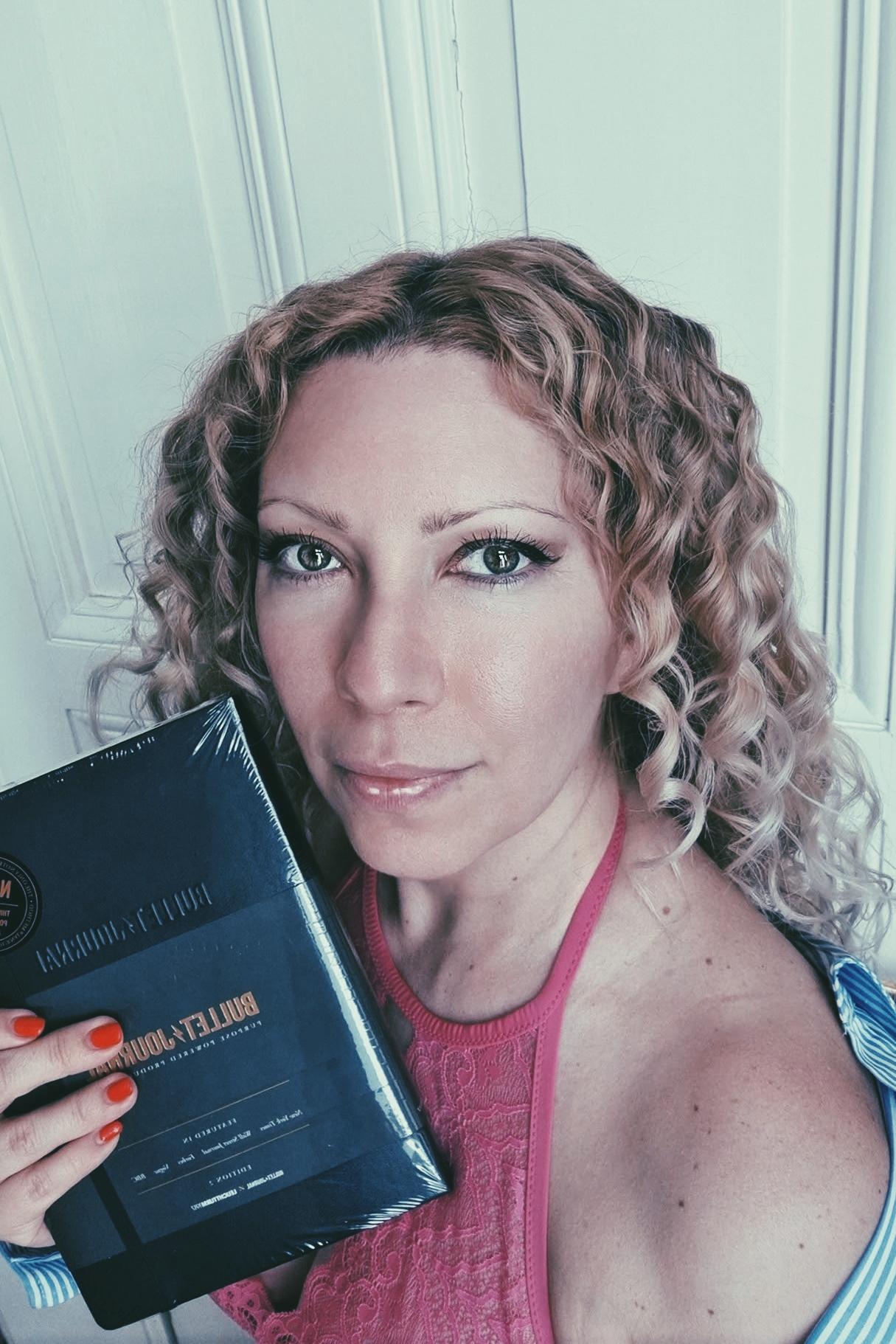
| Bullet Journal | Use short task, event, and note bullets | Keeping plans and observations together |
| Morning Pages | Write three pages of longhand, free-flowing text | Following Julia Cameron’s creative-writing practice |
The official Bullet Journal guide explains its short-form logs; our starter guide shows how to set one up. Julia Cameron defines Morning Pages as three pages of longhand stream-of-consciousness writing in the morning. You can borrow the idea of free writing without claiming you are following the complete method.
Use prompts that produce an answer you can examine
- What happened today that I want to remember in a month?
- Which part of this problem do I know, and what am I assuming?
- What is the next small step on a project I have delayed?
- What changed my plan today?
- What should I ask before making this decision?
Write one answer, not all five. If a prompt leads only to self-criticism, switch to describing the facts of a situation or the next practical step.
Make it easy to return
Put the notebook where you will use it or keep one private note pinned in your chosen app. Try a short entry at a time you already have free. If you miss days, start with today’s date; there is no backlog to complete. Paper may feel simpler for some people, while a digital note is easier to search or carry. Choose based on privacy, access, and how you actually write.
For a sensitive journal, consider who can see the notebook or device and how it is backed up. A password on a device helps with casual access, but it does not make every app equally private. Check the app’s storage and sharing settings before putting personal information there.
Keep mental-health claims in perspective
Writing can be a useful way to organize thoughts, and the NHS thought-record exercise offers a specific seven-prompt structure for examining a difficult situation. Ordinary journaling is not the same as that exercise or a course of cognitive behavioural therapy.
A systematic review of randomized trials found some evidence of small to moderate benefit from journaling interventions for mental illness, but the studies varied substantially and had methodological limits. The authors described journaling as a possible addition to established care. Do not replace treatment or delay getting help because a journal page promises a result.
Frequently asked questions
What should I write in my first journal entry?
Write the date, one thing that happened, one thought or question about it, and any next step. A few lines are enough.
Do I have to journal every day?
No. Choose a frequency that serves your purpose. If you miss days, start with a new dated entry rather than trying to reconstruct them.
Is paper or a digital journal better?
Use the format you can access and keep private. Paper is simple and screen-free; a digital note can be searchable and portable. Neither is universally better.
What is the difference between a journal and a bullet journal?
A journal can be any dated record or reflection. The Bullet Journal method uses short task, event, and note bullets plus logs and an index to organize plans and observations.
Can journaling replace therapy for anxiety or depression?
No. Research on journaling interventions has limits, and journaling is not equivalent to cognitive behavioural therapy or other established care. Seek professional help for symptoms that concern you.
What if I do not know what to write?
Use one concrete prompt, such as “What happened today that I want to remember?” or “What fact is missing from this decision?” Stop after a few lines if you have answered it.

Lorelei has been an online entrepreneur, marketer and writer since 2006. Her biggest passion is WordPress, which is why she switched to being a full-time blogger 20 years ago and hasn’t looked back since. With so many years of experience behind her, she is an expert in copywriting, SEO, marketing and business strategies.

