






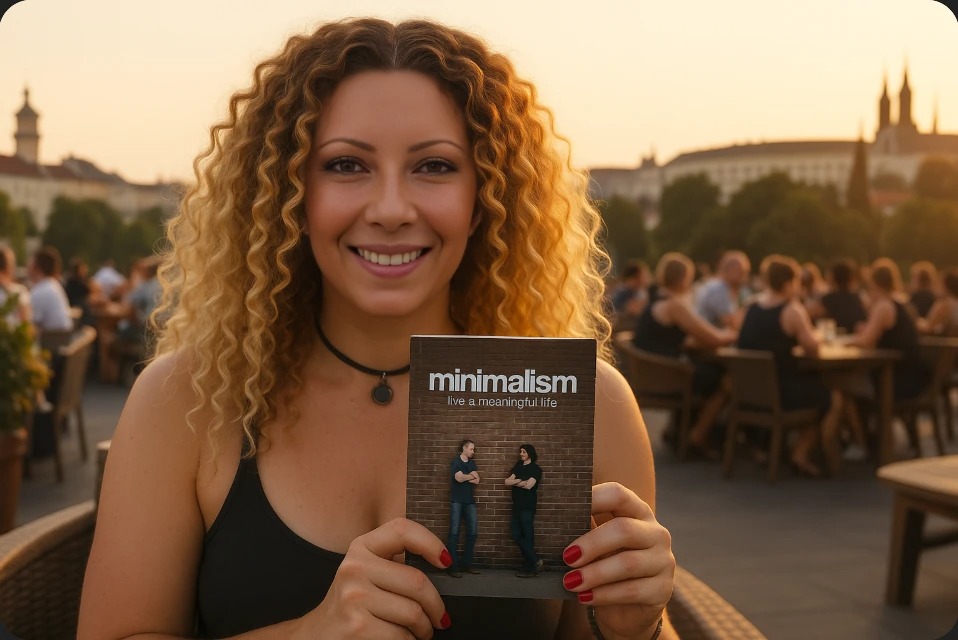
“Minimalism book” covers several different subjects. A guide to sorting clothes will not solve an overbooked calendar, and a book about technology may say little about a crowded closet. Before choosing one, write down what you want to change and how you would know the book helped.
Four books, four different jobs
| Book | Start here if… | Core approach |
|---|---|---|
| The Life-Changing Magic of Tidying Up, Marie Kondo | Your home contains too many things to sort easily. | Gather belongings by category and decide what to keep. |
| The More of Less, Joshua Becker | You want to examine why you buy and keep possessions. | Connect owning less with the life you want to make room for. |
| Digital Minimalism, Cal Newport | Your phone or online services compete for your attention. | Choose technology by the value it serves rather than by habit. |
| Essentialism, Greg McKeown | Your commitments leave little room for your priorities. | Use stricter criteria for what deserves your time and energy. |
For sorting a home: Marie Kondo
The Life-Changing Magic of Tidying Up is a book about possessions and the decisions behind keeping them. Kondo’s method works by category—clothes, books, papers and so on—rather than by room. That helps you see how many similar things you own.
The method asks which objects you want to keep. That can be helpful for a crowded home, though a strict category-wide sort may be impractical if you have little time or share a space. Start with one category that belongs to you, and leave essential records and other people’s belongings alone.
For examining consumption: Joshua Becker
The More of Less links reducing possessions to priorities beyond the house. It is a better starting point if your question is “Why do I keep buying this?” than if you need a detailed storage plan for one drawer.
A useful exercise while reading is to choose one recurring purchase and record what prompted it, what it cost, and whether you still use it a month later. The book offers a philosophy; your own records will tell you what that philosophy changes in your life.
For screen habits: Cal Newport
Digital Minimalism is about deciding which digital tools deserve a place in your life. It fits a reader who repeatedly opens apps without a clear purpose or finds that online time crowds out activities they meant to do.
Before removing an app, identify what you actually use it for. A messaging service may be how your family reaches you; a social feed may be less essential. The distinction matters more than a blanket screen-time target.
For competing commitments: Greg McKeown
Essentialism applies the idea of less to work and commitments. It asks readers to be more selective about where they spend time and effort. Choose it if you say yes to projects you cannot reasonably finish, or if your week is full but important work keeps slipping.
It does not remove obligations you cannot decline. The useful exercise is to list current commitments, mark which are fixed, and identify where you do have a choice: scope, timing, delegation or a clear no.
How to choose without buying four books
Read the publisher’s description and a sample chapter. Look for a method you can explain and one action you are willing to try. Borrow a copy if possible. Reviews may reveal whether the book is repetitive or too rigid for your situation, but a reviewer’s life may differ from yours.
Then test one idea for a week. A home guide might lead you to sort one category; a digital guide might lead you to remove one distracting app; a time-management guide might lead you to decline one optional meeting. Notice what changed and what did not. If your goal is simply to begin decluttering today, our first-week minimalism guide gives a short starting plan.
Frequently asked questions
What is the best minimalism book for beginners?
If your main problem is household clutter, Marie Kondo’s The Life-Changing Magic of Tidying Up is a clear method to consider. If you want to examine buying and ownership habits, Joshua Becker’s The More of Less is a closer fit.
Which minimalism book is about technology?
Cal Newport’s Digital Minimalism focuses on choosing digital tools and habits more deliberately. It is aimed at screen and online-life decisions rather than household storage.
Is Essentialism a book about decluttering?
Greg McKeown’s Essentialism focuses on commitments, priorities and use of time. It is less directly about physical belongings.
Do I have to follow every rule in a minimalism book?
No. Test a method against your circumstances, including shared spaces, work requirements and possessions you need. Keep the parts that solve your actual problem.
Should I read a minimalism book before decluttering?
You can start with one small area now. A book is more useful when you need a broader method, help with repeated buying, or guidance for a particular kind of clutter.
How can I tell whether a minimalism book helped?
Choose one action from the book and a result you can observe, such as finding items more easily or using a distracting app less often. Review it after a week rather than assuming the book changed your life.

Lorelei has been an online entrepreneur, marketer and writer since 2006. Her biggest passion is WordPress, which is why she switched to being a full-time blogger 20 years ago and hasn’t looked back since. With so many years of experience behind her, she is an expert in copywriting, SEO, marketing and business strategies.

